109 Grange Rd, Allenby Gardens SA 5009

Climate & Energy Solutions

Just Contact Us!

1300 178 669

Battery Storage Adelaide

Store More Energy. Use It When It Matters Most.

Battery storage gives homes and businesses greater flexibility over how the energy they generate and purchase is used — helping reduce unnecessary grid dependence, make better use of solar energy and build greater control into everyday energy use.
 
Venus Energy designs battery storage solutions around the way each property uses energy, creating systems that can integrate with solar, support changing energy needs and deliver long-term value.
Adelaide Store More Energy.

Battery Storage Backed by Energy & Electrical Expertise

Battery storage is more than adding a battery to a property. It requires the right electrical knowledge, system integration and technical understanding to create an energy solution that works safely and effectively over the long term.
 
Venus Energy brings more than 22 years of industry experience across electrical, solar and energy solutions to battery storage projects throughout Adelaide and South Australia.

22+ Years

Industry Experience

Experience across electrical, solar and integrated energy solutions.

Adelaide Based

Local Expertise

Local knowledge and support for homes and businesses across Adelaide and South Australia.

Solar + Battery + Electrical

Integrated Energy Expertise

Technical capability to integrate battery storage with solar generation and existing electrical infrastructure.

Long-Term

System Support

Support beyond installation, with a focus on system performance, reliability and evolving energy needs.

How Battery Storage Works

Battery storage allows energy to be stored and used at a different time instead of relying only on electricity at the moment it is generated or supplied.
 
When combined with solar, a battery can store eligible excess solar energy produced during the day and make that energy available later — such as in the evening, overnight or during periods when household or business energy demand is higher.
 
Battery storage can also form part of a broader energy management strategy, helping homes and businesses make more flexible use of their available energy and reduce unnecessary reliance on electricity purchased from the grid.
Solar panels can generate electricity during Adelaide daylight

01 — Generate

Solar panels can generate electricity during daylight hours, supplying energy that can be used directly by the property.

02 — Use

When the property needs electricity while solar is generating, available solar energy can be used to help power appliances, equipment and other electrical loads.

03 — Store

When suitable excess solar energy is available, it can be directed into the battery rather than being immediately exported to the grid.

04 — Use It Later

Stored energy can then be made available when solar generation is lower or unavailable, depending on the system design, battery settings and available stored capacity.

Battery Storage Is About Managing When Energy Is Used

The value of battery storage is not simply the amount of electricity a battery can hold.
What matters is the relationship between energy generation, electricity consumption, battery capacity and when stored energy can provide the greatest value.
 
That is why the right battery solution begins with understanding how energy moves through the property — not simply choosing a battery based on its advertised capacity.

WHY STORE ENERGY?

Solar generation and electricity consumption do not always happen at the same time.
 
During daylight hours, a solar system may generate more electricity than a property needs at that particular moment. Without battery storage, eligible excess solar energy may be exported to the grid.
 
Later, when solar generation falls, but electricity demand continues, the property may need to purchase electricity from the grid again.
Battery storage can help bridge that gap.
 
By storing suitable excess solar energy when it is available, homes and businesses can make that energy available for later use — creating greater flexibility over when their solar generation supports their electricity needs.
Adelaide Generate Energy When the Sun Shines

NO BATTERY

DAY

Solar generates

Property uses energy

Excess may be exported

BATTERY

DAY

Solar generates

Property uses energy

Suitable excess energy is stored

NO BATTERY

NIGHT

Solar stops

Property still needs energy

Grid electricity

BATTERY

NIGHT

Solar stops

Stored energy becomes available

Reduced need for grid electricity*

Actual battery operation and grid electricity use depend on system design, available stored energy and consumption.

The Energy Timing Gap

The challenge is not always how much energy can be generated.
It is often when energy is generated compared with when it is needed.
Solar production typically rises during daylight hours and falls as the sun goes down, while electricity consumption can continue into the evening, overnight or during other periods of higher demand.
 
Battery storage creates a connection between those two moments.
 

Make More of the Energy You Generate

Exporting solar energy to the grid can still form part of an energy strategy, but storing appropriate excess generation can provide another option.

Instead of all available excess solar electricity leaving the property, some of that energy may be stored for later use, depending on the battery system, available capacity and energy requirements.

This can help increase the amount of generated solar energy used within the property itself.
 

Shift Energy From When It Is Available to When It Has More Value

The value of stored energy can depend on when that electricity is used.
 
A properly designed battery system considers solar generation, consumption patterns, electricity tariffs and periods of energy demand to determine when storing and using energy may provide greater benefit.
 
This is why battery storage should be considered as part of an energy strategy — not simply as additional equipment.

Battery Storage Solutions for Homes & Businesses Across Adelaide

The way energy is generated, stored and used can be very different between a home and a business.


Households may want to make greater use of their solar energy after sunset, reduce reliance on grid electricity or add backup capability where appropriate. Businesses may have larger energy demands, different operating hours and more complex requirements around energy costs, system capacity and long-term energy management.


That is why Venus Energy approaches residential and commercial battery storage differently — designing each solution around the property, its energy profile and what the system needs to achieve.

Store More of Your Solar Energy for When Your Home Needs It

A home battery can store suitable excess solar energy generated during the day and make that energy available for use later, helping households make greater use of the electricity produced by their solar system.
 
The right battery solution depends on factors such as household electricity consumption, solar generation, evening energy use, available battery capacity and whether backup capability is part of the homeowner’s priorities.

Smarter Energy Storage for Your Business

Commercial battery storage can help businesses manage how energy is stored and used across different operating periods.
 
Commercial energy demand, solar generation, electricity tariffs, operating hours, site infrastructure and future requirements can all influence whether battery storage makes sense and how the system should be designed.

Solar Generates Your Energy. Battery Storage Helps You Use More of It.

Solar panels and battery storage perform different roles, but when designed to work together they can form a more flexible and integrated energy system.
 
Solar generates electricity during daylight hours. That electricity can first be used by the property, while suitable excess solar energy can be stored in a battery instead of being immediately exported to the grid.
 
The stored energy can then become available for later use when solar generation is lower or unavailable — helping homes and businesses make greater use of the energy they generate and reduce unnecessary reliance on grid electricity.

Solar and battery storage create more value when they are designed to work as one energy system.

Generate Energy On-Site

Solar panels create the foundation by generating electricity from sunlight.
 
When solar generation and electricity demand occur at the same time, that energy can be used directly within the home or business.

Store Suitable Excess Solar Energy

When solar generation exceeds immediate electricity demand, a compatible battery system can store suitable excess energy for later use.
 
How much energy can be stored depends on factors including solar generation, battery capacity, system configuration and the property’s consumption profile.

Use Stored Energy When You Need It

Stored energy can be used when solar generation falls or electricity demand continues beyond daylight hours, subject to available battery capacity and system settings.
 
This gives the property greater flexibility over when its own solar energy can be used.

Manage Energy as One Connected System

The greatest opportunity comes from considering solar generation, battery storage and electricity consumption as parts of the same energy system.
 
Rather than treating panels and batteries as separate products, Venus Energy considers how the components can work together around the energy requirements of the property.

The Right Battery Starts With the Right Energy Strategy

Choosing battery storage is not simply about selecting a brand or the largest available capacity.

A well-designed battery system considers how energy is generated, when electricity is used, how much energy can realistically be stored and what the system is intended to achieve.

Venus Energy brings these factors together to design battery storage as part of the property’s wider energy system — rather than treating the battery as a standalone product.

Energy Use

Understanding how electricity is consumed helps establish where stored energy may provide the greatest value.

The amount of electricity used and the timing of that demand can influence the storage capacity and system configuration required.

Solar Generation

For properties with solar, generation and available excess energy are important considerations.
 
The relationship between solar production and electricity consumption helps determine how battery storage can work alongside the existing or proposed solar system.

Storage Requirements

Battery capacity needs to align with the energy available for storage and the way stored electricity is expected to be used.

More capacity is not automatically better — the objective is to create a system that makes practical sense for the property.

Energy Goals

Battery storage can serve different purposes, from increasing the use of solar energy generated on-site to providing greater flexibility, reducing grid reliance or supporting appropriately designed backup capability.

The intended outcome helps shape the overall system design.

Solar photovoltaic panels convert sunlight into direct-current electricity
Make the Energy Your Home Storage Work Longer

One System, Designed Around Your Energy

The right solution comes from understanding the relationship between generation, consumption, storage and energy goals.

That is why Venus Energy looks at the complete energy picture before recommending battery storage.

STORE ENERGY

USE IT LATER

CREATE MORE VALUE

Turn Stored Energy Into Long-Term Value

The value of battery storage is not simply measured by how much energy a battery can hold. It comes from using stored energy more strategically — at times when that energy can provide greater benefit to the property.
 
By storing suitable excess solar generation and making it available later, battery storage can help increase the use of solar energy on-site, reduce unnecessary electricity purchases from the grid and provide greater flexibility over how energy is managed.
 
The financial outcome will vary between properties and depends on factors such as energy consumption, solar generation, electricity tariffs, battery capacity, system cost and how stored energy is used.

Use More of the Solar Energy You Generate

Battery storage can increase the opportunity to use solar electricity within the property instead of relying only on immediate daytime consumption.
 
Energy generated when demand is lower can be stored and made available later, subject to system capacity and configuration.

Reduce Unnecessary Grid Electricity Purchases

When stored energy is available at times when the property would otherwise purchase electricity from the grid, battery storage may help reduce grid electricity consumption.
 
The level of benefit depends on the property’s individual energy profile and electricity tariff structure.

Create Greater Flexibility Over When Energy Is Used

Battery storage allows energy generated at one time to become available at another.
 
This flexibility can help homes and businesses manage energy around their own consumption patterns rather than relying entirely on when solar generation occurs.

Think Beyond the Upfront Cost

A battery is a long-term energy asset.
 
Its value should be considered in relation to system performance, usable capacity, expected energy use, integration with solar, available incentives and how the system can support changing energy requirements over time.

The cheapest battery is not necessarily the battery that creates the greatest long-term value.

BATTERY INCENTIVES

Explore our available finance Residential options

Government Support Can Help Reduce the Upfront Cost of Battery Storage

Eligible households and businesses may be able to access Australian Government incentives that reduce the upfront cost of qualifying battery storage systems.
 
These incentives can change the financial equation of battery storage by lowering the initial investment required, making it important to understand what support may apply before selecting or installing a system.
 
Eligibility, incentive values and program requirements can change over time and depend on the battery system, installation and applicable government program.

Understand Your Eligibility Before You Invest

Not every battery system or installation will necessarily qualify for the same level of support.
 
System eligibility, usable battery capacity, installation requirements and current program rules should be considered as part of the overall battery storage assessment.
 
Venus Energy can help you understand how current battery incentives may apply to your proposed system and what requirements need to be considered before installation.

Battery Backup Starts With the Right System Design

Battery storage can provide backup capability during a grid outage when the system is specifically designed and configured to do so.
 
However, having a battery does not automatically mean that every appliance, circuit or piece of equipment in a property will continue operating when the grid goes down.
 
The level of backup available depends on the battery system, inverter configuration, available stored energy, electrical infrastructure and the loads selected for backup.
Battery storage can provide backup capability

A battery stores energy.

The system design determines how that energy can support you during an outage.

Backup Designed Around What Matters

A well-planned backup system considers which electrical loads are most important during an outage.
 
Depending on the property and system design, selected essential circuits may be prioritised so that available stored energy can be used where it matters most.
Adelaide Battery Backup system Starts With the Right System Design

Available Energy Still Matters

Backup duration depends on how much usable energy is stored in the battery and how much electricity the connected loads consume.
 
Higher energy demand will use available stored energy more quickly, which is why battery capacity and backup requirements need to be considered together.

Resilience Is About Preparation, Not Just Capacity

A larger battery alone does not guarantee a better backup solution.
 
Battery storage, inverter capability, electrical configuration and energy priorities need to work together to create a system designed for the level of resilience required.

Energy designed around when you need it.

Take Greater Control of How Your Energy Is Used

Battery storage gives homes and businesses greater flexibility over when available energy can be used.
 
Instead of relying only on electricity at the moment it is generated — or purchasing all additional energy from the grid when solar generation falls — stored energy can become available at another time, subject to system capacity, configuration and energy demand.
 
The result is a more flexible approach to energy: one that can help you make greater use of your own solar generation and reduce unnecessary reliance on grid electricity.

From Energy Availability to Energy Control

Greater energy control does not necessarily mean disconnecting from the grid.
 
It means having more options over how energy moves through your property — generating when solar is available, storing suitable excess energy and using stored energy when it can provide greater value.
 
For Venus Energy, battery storage is not simply about storing electricity. It is about designing a smarter relationship between generation, storage, consumption and the grid.
Solar panels can generate electricity during Adelaide daylight

Energy independence isn't necessarily about leaving the grid. It's about having greater control over how much you need to depend on it.

BEYOND THE BATTERY

A Battery Is Only One Part of the Energy System

It is easy to think of battery storage as a single product — a battery installed on a wall that stores electricity for later.
 
But what determines how well that battery works is the system around it.
 
Solar generation, battery capacity, inverter compatibility, electrical infrastructure, monitoring and energy management all need to communicate and work together.

That connection is where battery technology becomes an energy solution.

BATTERY
Stores energy for later use.

 
INVERTER 
Helps manage how electricity moves between generation, storage and the property.
 
ENERGY MANAGEMENT
Provides visibility into how energy is being generated, stored and consumed.
 
ELECTRICAL INTEGRATION
Connects the system safely and appropriately with the property’s electrical infrastructure.

01 — BATTERY

Stores energy for later use.

02 — INVERTER

Manages energy conversion and integration.

03 — ENERGY MANAGEMENT

Provides visibility and control.

04 — ELECTRICAL INTEGRATION

Connects the system with the property.
Adelaide Store More Energy.

One Battery. Part of a Much Bigger Picture.

The technology selected for a battery storage system should support the way the property actually uses energy.

For some properties, compatibility with an existing solar system may be important. For others, backup requirements, monitoring, future expansion or changing electricity demand may influence the technology selected.

This is why Venus Energy does not begin with a battery brand.
 
We begin with the energy system it needs to become part of.
Discover solar battery systems in Adelaide

BEHIND A SAFE INSTALLATION

Battery Safety Starts Before Installation Day

A battery storage system becomes part of the electrical infrastructure of your property. That means safety begins long before the battery is physically installed.

The location of the system, battery technology, electrical infrastructure, solar compatibility, system configuration and installation requirements all need to be considered as part of the design.

At Venus Energy, battery installation is approached as part of the complete energy system — with attention to how each component will be positioned, connected, configured and commissioned.

SITE & LOCATION

The installation location needs to be assessed for suitability, accessibility and the requirements that apply to the battery system being installed.

ELECTRICAL INTEGRATION

The battery must integrate appropriately with the property’s electrical infrastructure, inverter and, where applicable, existing or new solar system.

SYSTEM COMPATIBILITY

Battery, inverter, solar and energy management technologies need to be selected and configured to work together as a connected system.

INSTALLATION & COMMISSIONING

Once installed, the system needs to be correctly configured, tested and commissioned so that it operates as intended.

A safe battery installation isn't defined by one component.

It's the result of the right product, the right location, the right electrical integration and the right installation working together.

BEYOND INSTALLATION

Battery Performance Doesn't End at Installation

A battery storage system becomes part of the way energy moves through your property every day.

Once installed, monitoring provides visibility into how energy is being generated, stored and used — helping you better understand how the battery is working within the broader energy system.
 
But energy needs do not always stay the same.
 
Changes in electricity consumption, solar generation, operating patterns or future electrical requirements can influence how the system is used over time. Taking a long-term view helps ensure battery storage continues to be considered as part of an evolving energy system.
Adelaide Battery Performance Installation

MONITOR

See how energy moves between solar generation, battery storage, the property and the grid.

UNDERSTAND

Gain greater visibility into when energy is being generated, stored and used.

REVIEW

Changes in energy use or system performance can indicate when the broader energy system may benefit from professional review.

ADAPT

As household or business energy requirements evolve, the system can be reassessed to determine whether optimisation, integration or future upgrades should be considered.

Your Energy System Can Evolve With You

The property a battery supports today may use energy differently in the future.
 
A household may add an electric vehicle, heat pump or other electrical loads. A business may expand operations, change operating hours or increase its electricity demand.
Solar generation requirements can also evolve.

Considering these changes as part of the system lifecycle allows battery storage to remain connected to the broader energy strategy of the property.

Installation is one moment. Your energy needs continue to evolve.

BATTERY STORAGE IN PRACTICE

Battery Storage Designed for Real Energy Needs

Every battery storage project starts with a different property, energy profile and objective.
 
The system needs to work with the way energy is generated and consumed at that particular site — while considering the existing electrical infrastructure, solar integration, battery capacity and the role stored energy is expected to play.
 
Here is how Venus Energy brings those elements together in real battery storage installations across Adelaide and South Australia.
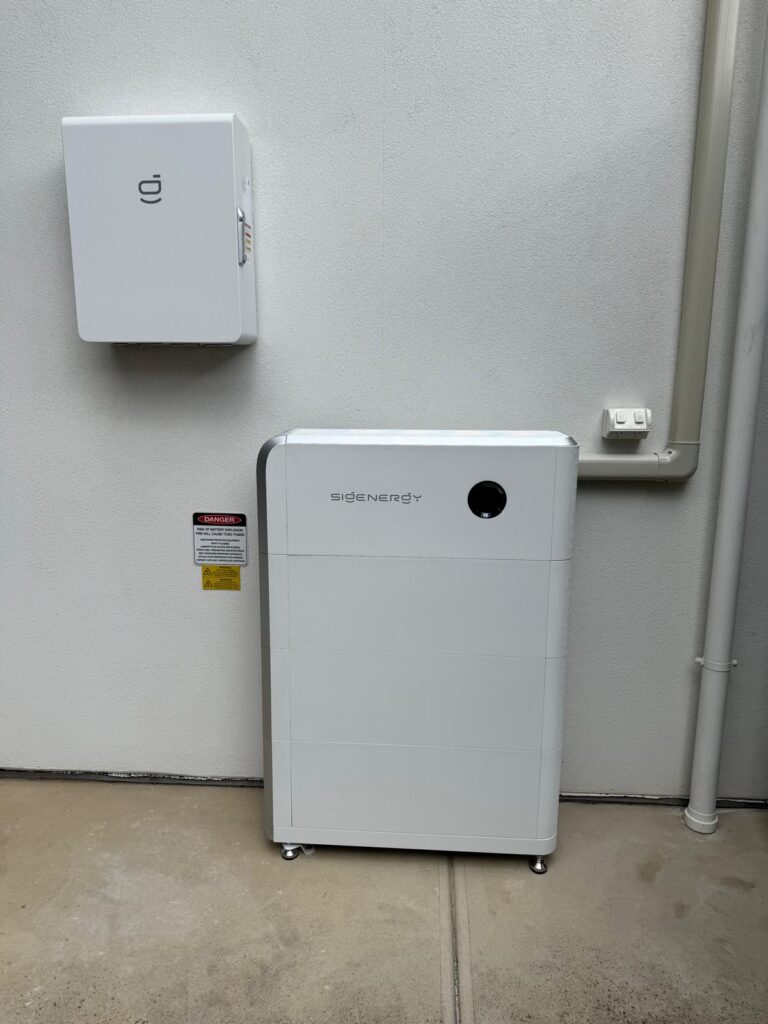
We provides solar, battery storage for homes

Designed Around the Property's Energy Requirements

This battery storage system was selected and configured around the requirements of the property and the way energy is generated and used on site.
 
The installation brings battery storage together with the property’s solar and electrical infrastructure as one connected energy system.

THE VENUS ENERGY APPROACH

We Don't Start With the Battery. We Start With Your Energy.

Choosing the right battery storage system begins with understanding how energy is already being generated, consumed and managed across the property.
 
At Venus Energy, we look beyond battery capacity alone. Solar generation, electricity consumption, operating patterns, electrical infrastructure, future energy requirements and the role you expect the battery to play all influence the system design.

This allows us to recommend a battery solution that fits within the broader energy system — rather than selecting a product first and trying to make the property fit around it.

01 — UNDERSTAND

We begin with the property, its energy use and what the battery needs to achieve.

02 — ANALYSE

We consider energy consumption, solar generation and when electricity is being used across the day.

03 — ASSESS

The existing solar system, electrical infrastructure, available installation location and technical requirements are reviewed.

04 — DESIGN

Battery capacity, system configuration, inverter compatibility and integration requirements are considered together.

05 — INTEGRATE

The battery is designed to work as part of the complete energy system — alongside solar, the property and the grid.

06 — SUPPORT

After installation and commissioning, the system can continue to be monitored, reviewed and supported as energy requirements evolve.

The Right Battery Is the One That Fits the Energy System

Battery storage should not be selected in isolation.
 

The most appropriate solution is the one that supports the way the property actually uses energy, integrates correctly with the existing or proposed system and aligns with the objectives behind the investment.

That is the principle behind the Venus Energy battery approach.
 
Understand the energy first. Design the battery around it.

Tell us how your property uses energy and what you want your battery system to achieve.

BATTERY INCENTIVES

Battery Incentives Can Help Reduce the Upfront Cost of Eligible Systems

Government incentives may help reduce the upfront cost of eligible battery storage systems, making the initial investment more accessible for qualifying households and businesses.
 
The Australian Government’s Cheaper Home Batteries Program provides support for eligible small-scale battery systems connected to new or existing rooftop solar, with the incentive delivered through the Small-scale Renewable Energy Scheme (SRES) (Energy.gov.au).
 
Eligibility, available support and program requirements can change over time. Before choosing a battery based on an advertised incentive, it is important to understand the current requirements and whether the proposed system and installation qualify.

We don't choose the battery because of the rebate. We determine whether the right battery may qualify for available support.

WHY VENUS ENERGY

Your Battery Is an Investment. The Thinking Behind It Matters.

Choosing a battery storage system is not only a decision about equipment. It is a decision about who will understand its role within the broader energy needs of your property.

Venus Energy approaches battery storage through the Venus Energy Method — bringing energy analysis, system design, solar, battery storage and electrical integration into one connected process.
 
Rather than treating the battery as an isolated installation, we consider its place within a connected, sustainable and measurable energy ecosystem — one that can be understood, monitored and considered as energy requirements evolve.
Because the value of a battery is not only in what is installed today. It is also in the thinking, integration and long-term energy strategy behind it.
Adelaide Battery Backup system Starts With the Right System Design

THE VENUS ENERGY METHOD

Understand Before We Recommend

Our approach begins with understanding the energy requirement before recommending the technology.
 
Energy use, existing infrastructure, solar generation, system objectives and future requirements all help inform the decisions that follow.
 
The technology comes after the need is understood.

UNDERSTAND

Energy requirement

DESIGN

Solution with purpose

INTEGRATE

Solar + Battery + Electrical

MEASURE

System visibility

EVOLVE

Changing energy needs

Solar. Battery. Electrical. Considered Together.

Battery storage does not exist independently from the systems around it.

Venus Energy brings solar generation, battery storage and electrical infrastructure into the same energy conversation — helping the different parts of the property work within one broader strategy.

SUSTAINABLE BY THINKING BEYOND TODAY

 Energy Decisions With a Longer View

Energy requirements change.
Homes adopt electric vehicles, heat pumps and new electrical loads. Businesses expand, equipment changes and operating requirements evolve.
Considering those possibilities as part of the broader energy strategy helps avoid looking at today’s battery requirement as an isolated decision.
 
MEASURABLE BY DESIGN
Understand What Your Energy System Is Doing
A connected energy ecosystem should provide greater visibility into how energy is generated, stored and used.
 
Monitoring and system information can help homeowners and businesses better understand energy behaviour and how battery storage contributes to the broader system over time.

More Than Installing Technology. Building an Energy Ecosystem.

The Venus Energy Method connects decisions that are often treated separately.

Understand the energy.
Design with purpose.
Integrate the technologies.
Measure the system.
Support how it evolves.

This is how Venus Energy approaches battery storage — not simply as equipment to install, but as part of a broader energy ecosystem designed around the property and its changing energy needs.

CONNECTED

Solar + Battery + Electrical considered together.

SUSTAINABLE

Energy decisions considered beyond the immediate installation.

MEASURABLE

Greater visibility into how energy is generated, stored and used.

Venus Energy — Climate & Energy Solutions.

BATTERY STORAGE FAQs

Questions About Battery Storage in Adelaide?

Every property uses energy differently, so choosing battery storage can raise important questions about system compatibility, battery capacity, solar integration, backup power, monitoring and available incentives.
 
Understanding these factors before making a decision can help you determine what role battery storage could play within your broader energy system.
 
Below, we answer some of the most common questions about battery storage for homes and businesses across Adelaide.
 
Explore the questions below to understand what to consider before choosing a battery storage system.
How does a battery storage system work?
A battery storage system stores available electricity so it can be used at another time.

When integrated with solar, suitable excess solar energy generated during the day can be stored for later use rather than being immediately exported to the grid. This can make more of the property’s solar generation available when it is actually needed.
 
How energy moves between solar, the battery, the property and the grid depends on the system design, equipment and configuration. (Energy.gov.au)
Battery storage is commonly integrated with solar because it allows suitable excess solar generation to be stored for later use.
 
Whether battery storage should be added to an existing solar system or designed together with a new solar system depends on factors such as existing equipment, inverter compatibility, electrical infrastructure and the objectives of the property.
n many situations, battery storage can be considered alongside an existing solar system, but compatibility should be assessed before deciding on the battery or configuration.
 
The existing inverter, solar configuration, electrical infrastructure, battery technology and intended operation of the system can all influence the integration approach.
 
A system assessment helps determine which options are appropriate for the property.
There is no single battery size that is right for every property.
 
The appropriate capacity depends on factors such as electricity consumption, solar generation, when energy is used, how much suitable energy is available to store, backup requirements where applicable, and what the battery is expected to achieve.
 
This is why battery sizing should follow an understanding of the property’s energy profile rather than simply selecting the largest battery available.
Some battery systems can provide backup power, but installing a battery does not automatically mean the property will remain powered during a grid outage.
 
Backup capability depends on the battery, inverter, electrical configuration, circuits selected for backup and the way the complete system has been designed and configured. The Australian Government similarly advises that batteries can provide electricity during outages if configured to do so. (Energy.gov.au)
 
If backup is an important objective, it should therefore be considered during system design rather than assumed after installation.
Many modern battery systems provide monitoring capabilities that can give property owners visibility into aspects of energy generation, storage and consumption.
 
The information and functionality available vary according to the battery, inverter and monitoring platform, but monitoring can provide a clearer understanding of how battery storage is contributing to the broader energy system
Yes. Eligible households and small businesses in South Australia can currently access support through the Australian Government’s Cheaper Home Batteries Program, subject to the program’s eligibility and technical requirements. The program operates through the Small-scale Renewable Energy Scheme (SRES). (Energy.gov.au)
 
Because incentive values, eligibility criteria and program requirements can change, current conditions should always be checked before making a battery decision based on an advertised incentive.
Yes. Battery storage can be considered for both homes and businesses, although their energy requirements and reasons for investing in storage can be very different.

Commercial battery projects may involve different operating schedules, electricity demand, solar generation, system capacity, tariff structures and financial considerations.

 Residential systems, by contrast, should be considered around the household’s own energy profile and objectives.
Battery lifespan and performance over time vary according to battery technology, manufacturer, usage patterns, operating conditions, system configuration and other factors.
 
Rather than assuming one lifespan applies to every battery, the product warranty, expected operating characteristics, usable capacity and requirements of the property should be considered when comparing battery options.
Start with what you need the battery to achieve.
Consider electricity consumption, solar generation, when energy is used, existing electrical infrastructure, available installation location, backup requirements, future energy needs and any applicable incentives.
 
Then consider which technology and system configuration can appropriately support those requirements.
 
The energy requirement should inform the battery decision — not the other way around.
Your Trusted Installer in Adelaide

START WITH YOUR ENERGY NEEDS

Your Next Step Isn't Choosing a Battery. It's Understanding What You Need.

You don’t need to know which battery, capacity or configuration is right before speaking with us.
Start with what you want your energy system to achieve.

Whether you want to store more of your solar energy, reduce reliance on the grid, explore backup capability or prepare your home or business for changing energy needs, Venus Energy starts by understanding the bigger picture.

Through the Venus Energy Method, we consider how energy is generated, used and managed across the property — alongside existing solar, electrical infrastructure and future requirements — before recommending how battery storage should fit within the system.

The conversation starts with your energy needs, not with a product.

Tell Us What You Want Your Energy System to Achieve

You don’t need to have all the answers. Tell us what you know about your property and what you would like to achieve. We’ll use that as the starting point for understanding your battery requirements.

No battery decision required today.

 Your information gives our team a starting point to understand your energy requirements and discuss what options may be appropriate for your property.
 
Your details will only be used to respond to your energy enquiry.

    WHAT HAPPENS NEXT?

    WE REVIEW

    We review the information you've shared about your property and energy needs.

    WE DISCUSS

    We talk with you about what you want the battery system to achieve and any additional information we may need.

    WE ASSESS

    Where appropriate, we assess how battery storage could fit within your broader energy system before recommending the next step.

    Understand first. Recommend second.